
Teacher Talk: ESL and Bitstrips with Brandon Zoras
Thanks Bitstrips for featuring me on your blog. Keep up the great work the students love Bitstrips


Each month we like to feature teachers who are making a difference and using Bitstrips for Schools as a teaching tool. This month our feature is on Brandon Zoras.
For 10 months during the year Brandon Zoras is a science teacher for the Toronto District School Board. However, in the summer, he travels to Taiwan to teach English as a part of the AYJ Global Interactive English Program. Although teaching science to teenagers in Ontario is quite a different experience than teaching English to students in Taiwan, Zoras enthusiastically uses Bitstrips for Schools in both classrooms: “Even though I am into Science I have always loved Art. So being able to bring an arts based activity in my classes is amazing. I also wanted the students to be able to express themselves in different ways.”

Zoras uses Bitstrips for School as a fun way to help his ESL students demonstrate…
View original post 254 more words
Introducing Scientists My Students Can Relate To #Equity #Science
Starting at a new school I wanted to get some decorations up in my new classroom. I had some leftover posters and diagrams to turn a bare classroom into a science room. More importantly I wanted the students to feel that they all can be scientists. I wanted to show scientists from a variety of backgrounds and experiences that made big discoveries. I started my search on Google for scientists and compiled a small collection that represent my students in terms of background, ability, familial setting, socioeconomic status, etc. We simply can not just present student X with a scientist that was born in the same country as them and walk away expecting something meaningful. They may not have any connection with that scientist and may be more inspired by another scientist from a different country but may share some other commonalities. By having these posters up all year for students to read when they walk by, or discuss will transform the norm of a Eurocentric view of science and show the contributions across the globe towards science as a whole.
Please feel free to comment on scientists you feel should be included
FYI all information is copied from the source listed by each person and not my own writing.
Download here: famous scientists
Teaching in Taiwan Round 2
Another summer in Taiwan and a super amazing teaching and cultural experience. This year my school was in New Taipei (just outside Taipei) and was very different from the school last year in Taoyuan. This school was more working class than the last and the students were more similar to those I teach in Toronto. They were typical teenagers who loved sports (especially basketball), always texting and using Facebook and excited to learn when it was something they were interested in. The students were great! They loved learning English and sharing their beautiful city with me. They would plan out all the great places to visit and food I needed to try with little maps and directions. I felt I learned so much about teaching as well as about Taiwan. This being my second year, I got to revisit where I enjoyed and check out a bunch of new places. I got to see another type of school in Taiwan and see how the schooling system works. It would be like going to Toronto and going to an elite school and saying you know what schools are like in Toronto if you just go to one.
My class did a great job. They all improved over the 3 weeks and I am sure some improvement was due to getting over their shyness. My Chinese didn’t improve as much as I would have liked as I felt so busy planning and trying to maximize the time. It was interesting that when you ask which language they speak they will say Chinese as most major cities in Taiwan like Taipei, the younger generation speaks Chinese (Mandarin) while the older generations speak Taiwanese and / or Hakka. Their Mandarin is similar to the Mandarin in China minus a few key sounds which when I tried to use google translate. They all laughed and said I am from Beijing.
Traveling for me was amazing this year. My top places to visit was Maokong where we rode a gondola up a mountain to explore tea fields and sample some of the best green and oolong teas. The EAs from our school who were all Taiwanese university students took us to a great place for lunch. It was great to have local people show us around and point out the authentic places. The best night market in Taiwan is Raohe. It is far better than Shilin Night market as I have been to both twice. Some of the best food I have ever eaten and for a great price. Another great trip the EAs took us to was Jiufen and Pingxi. The narrow streets of Jiufen, breathtaking view while eating the their famous taro desert on ice was amazing. We then went to the lantern town of Pingxi where we painted a lantern and made a wish. I was against it last year due to my environmental beliefs of littering but this year peer pressure was too much. It was a great experience. Sun Moon Lake and Taroko Gorge were also amazing and beautiful. I had many more great experiences but will keep it at that.
I am looking forward to seeing my family and friends again in Toronto but will miss Taiwan. My July home for the past 2 years has been welcoming and so enriching. I am reminded that I have chosen the best career in the world.
I highly recommend to all teachers apply to teach overseas in the summer to share your knowledge but more importantly expand yours.

View from Taipei 101

Jiufan

Taipei 101

Pingxi Lantern

Bubble Tea of Course!

My Class
A (School) Year End Reflection
I am sitting on the other side of the globe, in Taiwan, reflecting on my past school year. This has been one very interesting year. I think though as a teacher you can’t always separate your personal self from the classroom and this year has been the most intense. Between personal life situations and the classroom it proved to be a very challenging yet rewarding year.
School has been interesting with getting the assistant curriculum leader of science (dept. head) to having to hear from my friends and the public “who cares you got your sick days taken away, I don’t get any”. I was very excited to have a 3 year term for September in a leadership role. Unfortunately due to staffing and cuts I have been moved to yet another school and lost my dept. head position. I get teased at school, both nicely and not so nicely, that I am the director of education or want to be a principal. Neither career seems to be where I want to go. I would miss the classroom too much, as the reason I am there on the front line is for the kids. Yes the central spots help support the kids, but secondarily by supporting the front line staff. I love what I do in the class as I have partnered with 2 projects at OISE, partnered with community agencies, great educational tech companies that let me try things in my class and support learning. That is what I am about. The freedom to choose to do those extras in my class is so rewarding for me and the students.
It has been great collaborating with so many other educators. Joseph Romano and I have been doing so many great projects in and out of class. He has been an inspiration as his ability, ethic and knowledge always shows through his work. From experimenting to iPads to attending conferences it has been a great year. I have met countless other educators and community workers both in real life and online through twitter that have shaped me as a teacher. I would never have thought back to when I was a teenager that I would enter a science rap contest with GZA from Wu-Tang Clan. You should have seen these kids researching, understanding and engaged with science content. I also met Todays Future Sound on Twitter and they came in with a beat making workshop for the students of my school. Picture your most disengaged student, who goes on washroom breaks minimum once a class, can’t sit still, has an IEP, now picture them not moving for 3 hours after school with no breaks, no need for an IEP accomidation and sitting while learning about beats. EVERY student can be a good student if they are learning something they want to learn. We taught math and science through beats and Hip Hop. Who would have thought.
The strike this year has been a good learning experience for me. Listening to all sides to seeing our former OSTTF president Ken Coran go from telling us to stand strong against the liberals to watching him now running for them??? But what I cared about the most the whole time is how the kids suffered through not having extra curriculars. As soon as I could go back I opened the weight room, took kids to the Somali student conference and the African diaspora conference. The Diaspora conference was a life changing experience and was thrilled to have shared it with such a great group of students. All kids across the province suffered but it was those kids who lack the finances and support that didn’t get put into paid programs who got hurt. Having a kid coming up to me saying “sir I can’t afford to workout at a gym but since you don’t open the weight room I have no where to go”, was beyond heart breaking. I had to look a kid in the eye and say sorry, and what reason could I give him? All I could say is this situation sucks and this fight between the province, school board, union and teachers is dragging in a lot of people who don’t deserve it. What did I lose? Well I paid $15 000 for my masters over 3 years thinking I would get a raise for my rewarded hard work (as opposed a raise based on years taught). I was denied that due to wage freezes. I went out to better myself, learn about urban education and still paying that money off. I spent countless hours trying to get new programs in the school and was accepted by Burton to their program that promotes snowboarding to inner city students by giving them a free bus ride, rentals, instructions and lift tickets to 20 of my students. Something I lost with the strike. I can’t even tell you what I gained from that strike.
The most rewarding day I have had as a teacher was watching my former grade 10’s graduate from my old school and students I taught back in grade 9, now at prom at my current school. Seeing them grow intellectually as well as height has been such a rewarding process. To hear where they are off to, and to know that they made it was amazing. The cards dealt to many students are not stacked in their favour yet they made it. So many great teachers and community supports help fill in the gaps, yet many still don’t make it. I looked at so many of them and felt what it must be like a proud parent feels for his or her own kids.
The biggest challenges personally were moving out after being home 27 years! It is great to have a place of your own but pretty quick miss the people you have lived with and take cared of you. It wasn’t the bills, hidden expenses, responsibilities and decisions on what to eat for dinner that were that tough. Moving out while your mom has been battling not 1, not 2 but 3 cancers was the tough part. Seeing the strongest and loving person I know go through so much has been tough. But it has been great coming home having dinners, going out and visiting where I appreciate the company more than when I was living at home. All my family have supported me so much from helping move, install curtains to backsplashes and just being there. Friends have been amazing as well and have 6 marriages in a span of 3 months has been fun. Having a great girlfriend to share, laugh and experience great things has been also amazing. It is about family and friends who want to see you do well, care about you and offer infinite support that I am most appreciative of.
This summer I look forward to my experience of teaching in Taiwan and relaxing in August. I will be at yet another school in September where I will do all I can again to support students and engage them in school and learning.
How to use iPhone GPS without being in Airplane Mode
So this is a non traditional post for my blog but want to help people travelling with their iphone as it took me so long to figure this out and I could not google it. Last year I went to Taiwan and was told by both Apple and Rogers to leave my phone in Airplane mode and I will be able to log into wifi but will not get calls or texts (saving me a massive bill). It was great except I love using my iphone for photos and as a map. When I got home I realized only photos taken in WiFi zones were geotagged to the map and the rest had no info. I also used CityMaps2Go (https://itunes.apple.com/ca/app/city-maps-2go-offline-map/id327783342?mt=8) and found I couldn’t navigate without being near Wifi.
THE SOLUTION
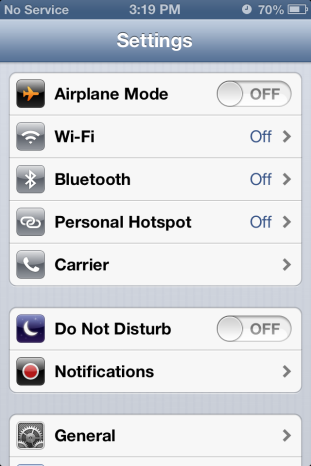
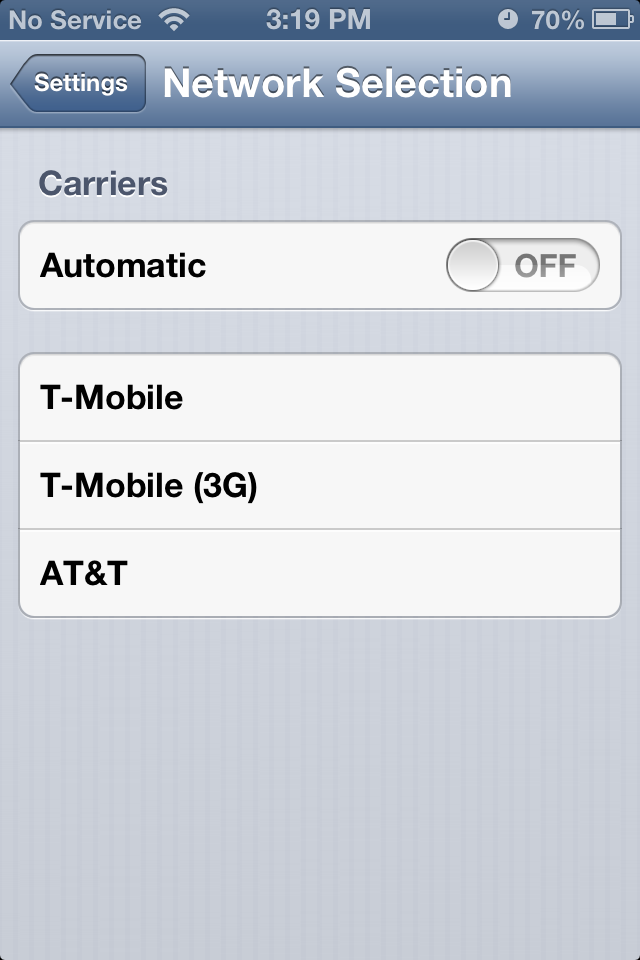
Click Settings –> Carrier –> Automatic –> OFF
This allows you to choose which carrier or no carrier. This also leaves your GPS on. So you can have all photos tagged and CityMaps2Go navigation works as long as you download the map of your choice when you find WiFi. Airplane mode is great for on the plane but the issue is it also shuts off the GPS.
STEP ONE: Click Settings then Carrier
STEP TWO: Turn “Automatic” OFF and do not select one of the carriers shown.
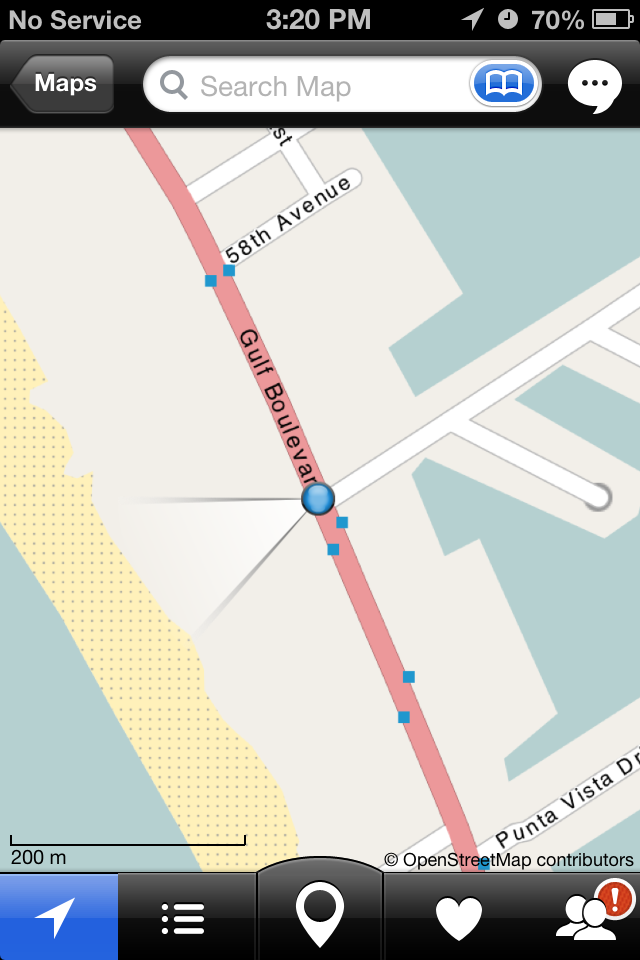
STEP THREE: Open CityMaps2Go and click the arrow in the bottom left and enjoy navigation (once you pre-download map)
This was done on an iPhone 4S software 6.1.3 from Rogers
UPDATE!!!!
Some people said they couldn’t get it to work this way, so an alternative way is to just remove the SIM card! I tried this in Taiwan and worked fine all month!
ER14 Action Research: iPad Integration
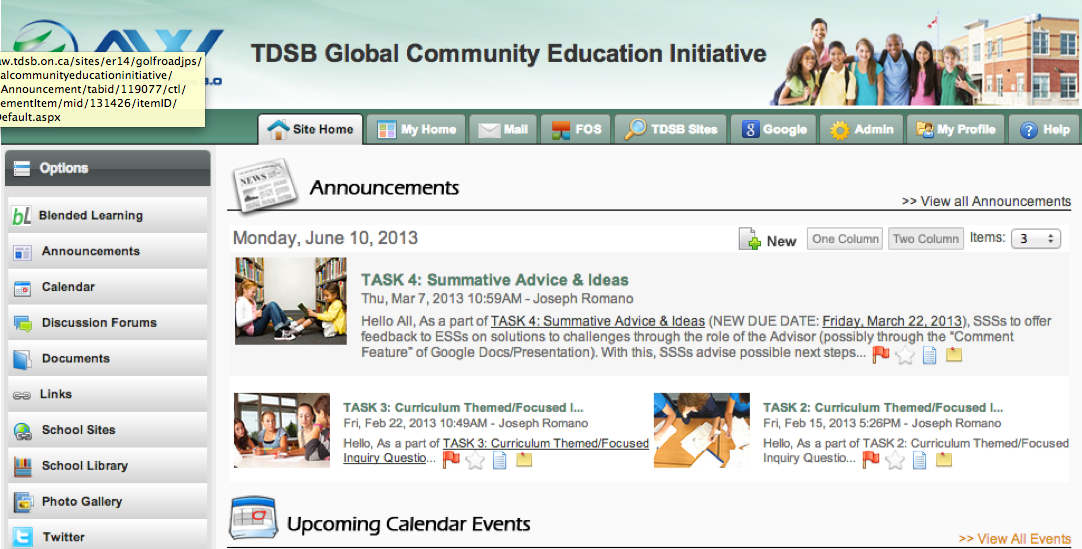
TDSB Global Community Education Initiative A Cross-Panel Science Collaborative
Joseph Romano, OCT and Brandon Zoras, OCT
This article has been developed as a collaborative effort between 2 Toronto District School Board (TDSB) teachers/ICT Leaders, who both hold Positions of Responsibility (POR) at their respective schools. The Elementary Panel is represented by Joseph Romano (OCT, BFA Spec. Hons., BEd, MEd), with the Secondary Panel represented by Brandon Zoras (OCT, Hons. BSc, BEd, MEd).
Context
Recently, teachers in the East Region (ER14) of the TDSB were given the opportunity to submit proposals for Action Research grants. These proposals allowed teachers to focus on developing a further understanding and research study of something relevant to their teaching and learning practices. This blog post highlights the joint action research study taken on by TDSB teachers Joseph Romano and Brandon Zoras, focused on connecting the TDSB Elementary and Secondary panels through the Science Curriculum and iPads.
Proposal
The TDSB Global Community Education Initiative gives 21st Century learners a community perspective (with Secondary Students acting as advisors/mentors to Elementary School Students) on current world issues (through the linking of TDSB Panels); from Forces to Structures and Mechanisms to more Science Curriculum themes/units, this initiative could allow students to see their place in their own community, within their own school and beyond!
Using AW, video conferencing (YouTube), Google Docs and other ICT technologies, students will research, create and share information in a community-based Learning Circle, related to the Elementary and Secondary Science Curriculum themes/unit topics; these rich virtual classrooms could allow for broader perspectives and true use of Web 2.0 with students as active researchers engaging in discussion throughout their community with one another
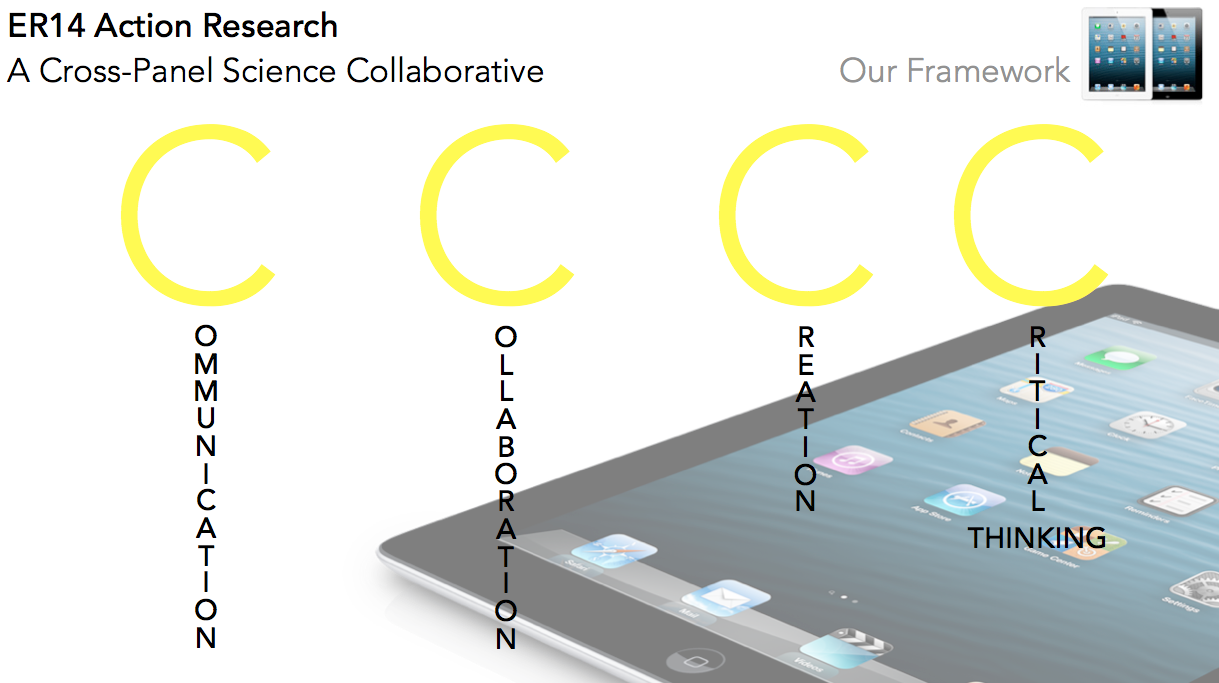
Our Findings
In engaging both Elementary and Secondary students through this cross-panel initiative, we assumed that students would be more engaged in curricular content through the use of mobile technologies.
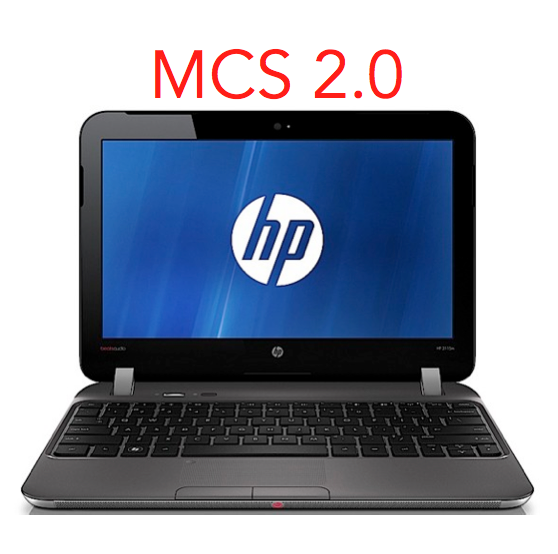
Our Findings showed that as this initiative incorporated mobile technologies (such as the MCS 2.0 Laptops and iPads), student engagement rose.
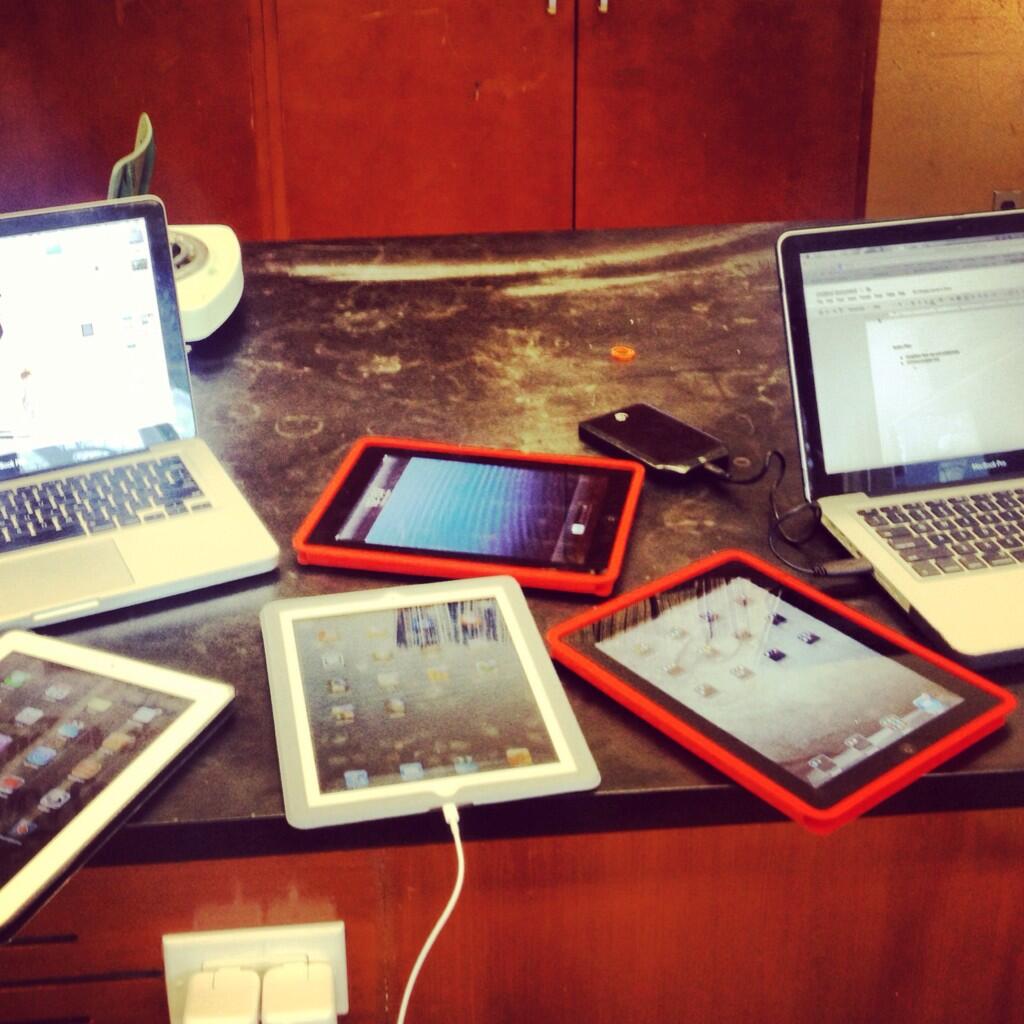
Here, a key piece was uncovered. Whereas the MCS 2.0 Laptops allow for an enriched and robust digital creation process, engaging students with the iPads allowed for a much richer experience in not only content creation but also content consumption.
With this, the user interface and tactile experience offered by the iPad allowed students to delve “into” the work/content as they swiped and taped through the Science Curriculum.

iPad Usage
Creation vs. Consumption
Our classes utilized the iPads for more than just consuming information. We successfully created our own content and published online though the iPad. Students were able to film videos and upload to YouTube, Tweet homework answers to our class Twitter accounts, construct wikis on Wikispaces, and collaborate real time on Google Docs. Video conferencing with Skype and FaceTime was effortless as the iPad is an all in one powerhouse.
The iPads were also useful in discovering and learning curriculum content. Students were able to learn through discovery, gaming and manipulation within apps. Below is a list of education-related and Science apps that were useful in this way.
Many of the ways teachers learn is through experimentation with new tools and strategies that influence not only their own practices, but also the learning of their students. With a focus on streamlining assessment – specific to the moderated marking practice and critical/authentic feedback to students – I facilitated an EQAO Mock Assessment within the school I work at that piloted the “Crowdmark” web-based application.
Overall, Crowdmark allows a teacher (or team of teachers/school team) to generate an assessment, administer the assessment then upload hard copy results to the cloud where student work is churned into digital pieces accessible by anyone on the marking team. Here, a teacher could assess a specific set of students, a specific set of questions, or something in between. Learn more about my experiences in running this EQAO Mock Assessment and piloting Crowdmark by reading “Crowdmark Completes Successful EQAO Demonstration”.
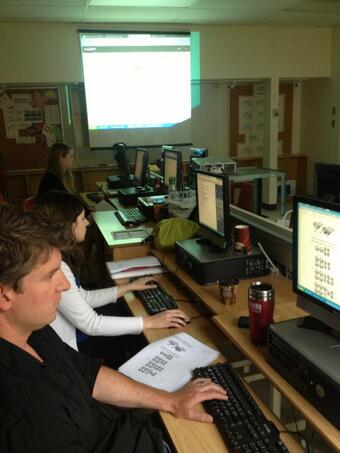
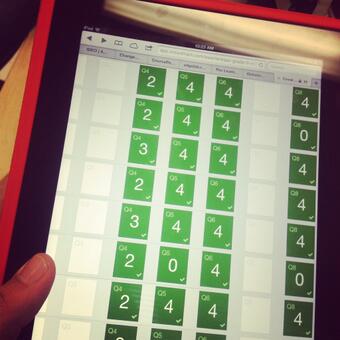
Enter the iPad. As we used Crowdmark to assess student work, teachers chose to use their laptops, desktop computers and iPads. As a fully mobile and iPad optimized web app, Crowdmark worked wonders on the iPad as it laid out a grid of each student’s paged response, along with flashing indicators and icons related to the current “status” of assessment (if another teacher on the team was currently assessing the piece). With the native gestures – tap, swipe, pinch and zoom – we could literally “get into” assessing student work, in a way which was unique and innovative. Past it being something new, it was cool – it excited teachers and made them want to continue to use it to assess, literally engaging them in the process one individualized assessment at a time.
In the Elementary classroom, we focus much on idea generation and brainstorming as an essential skill in today’s collaborative spaces. Rather than develop static lists using the iPad, we have used the app “Paper” to develop very visual descriptions of abstract and definite ideas and theories.
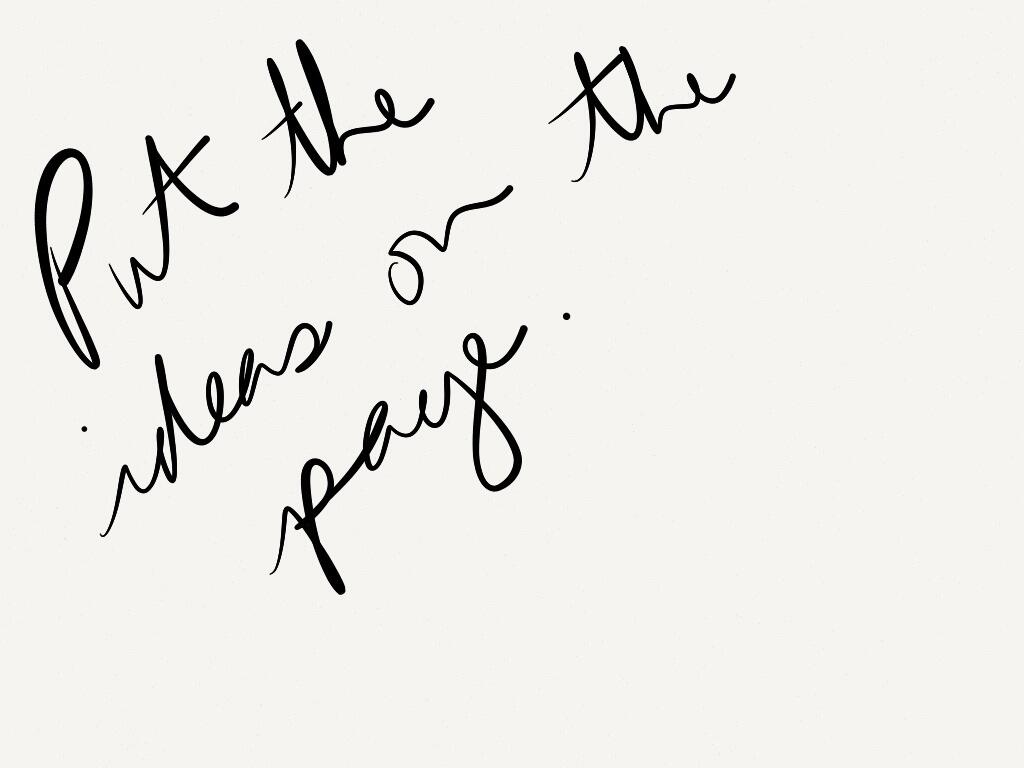
Through Paper, we are able to use our fingers, or even a stylus, to create visual representations of our ideas that we can save locally on the iPad, email to key stakeholders or even share via common social media outlets. Here, we are taking brainstorming and notetaking to the next level by, in a way, crowdsourcing our ideas by asking of others what we have asked of ourselves (through sharing over social media). Students can work with these pieces as references in creating content, and the like after their initial and thoughtful documentation.
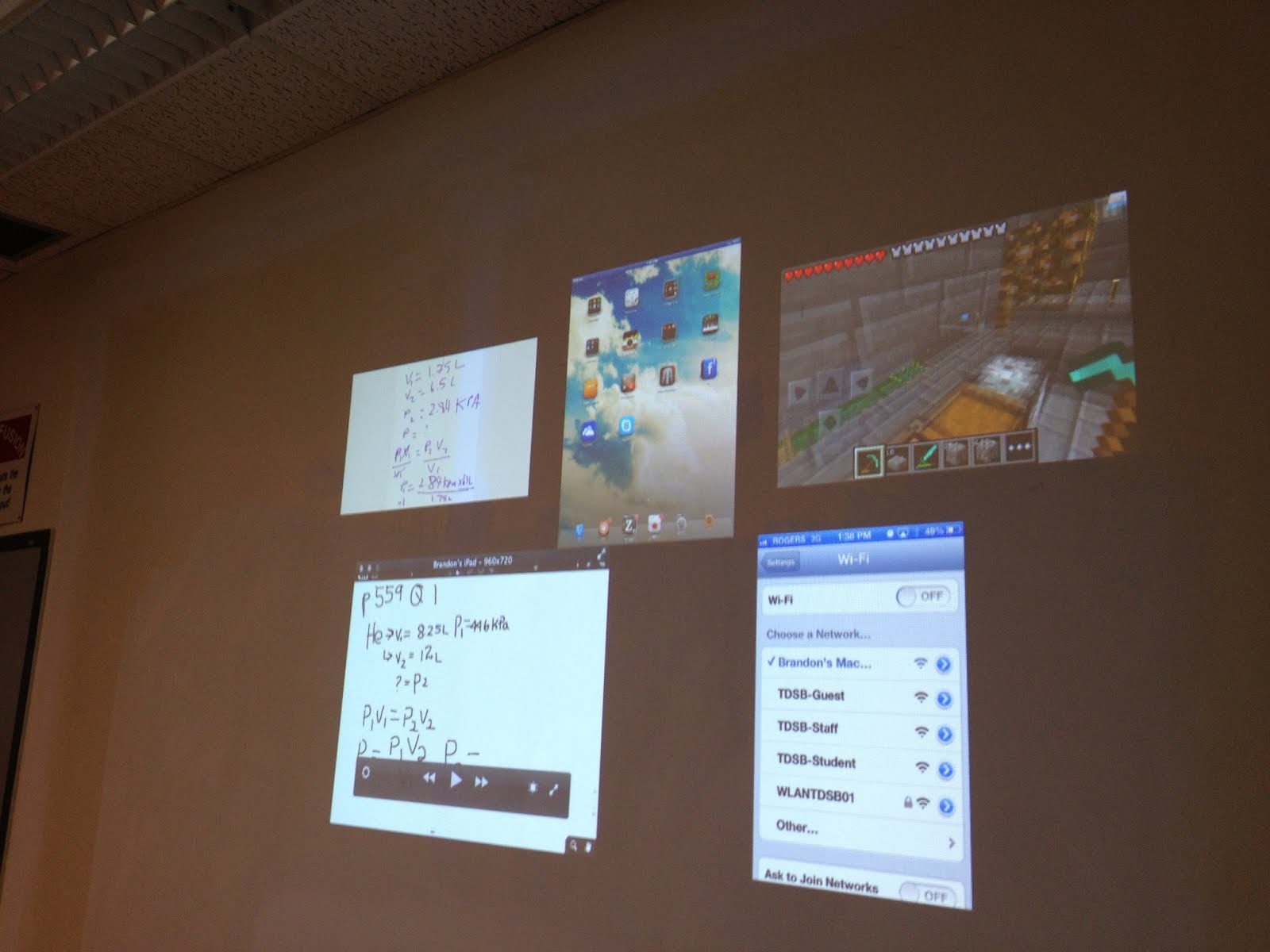
Supercharging this is the integration of AirServer. As described below, we can focus on sharing our work locally, within the learning space it is physically generated, by displaying our sketched out ideas on the screen for all to interact with.
AirServer
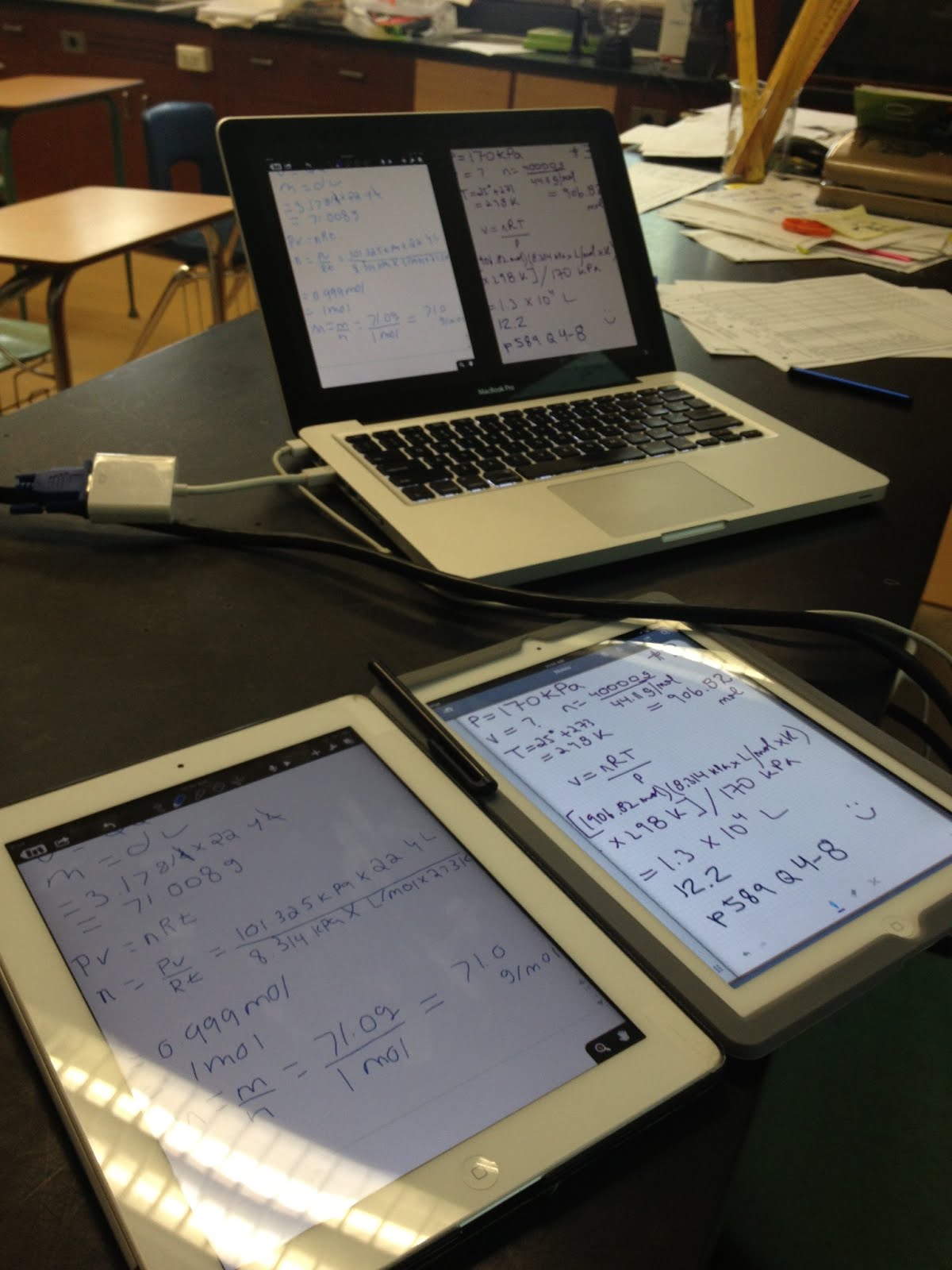
Using “AirServer” along with the iPads led to a rich, interactive classroom experience. The iPads connected wirelessly to my MacBook which was then projected for the class to see. Students were also able to connect their own Apple devices to the screen to share answers as well.
Notability
“Notability” is one of the best note taking apps I have used for iPad. It’s advantage over its competitors is that it can be used for handwritten and typed notes within the same screen, unlike Evernote which requires Penultimate to do this. The tools are easy to use and allow for clear writing. Organization is simple with folders that can be used for each class you teach. You can important snapshots of sites, PDF, images and insert figures right into the pages.
The other major benefit involved the auto-sync to DropBox and Google Drive. This was a huge advantage as the notes would automatically upload to a shared folder the students had access to and could download whatever was done in class. From taking up homework questions, to diagrams and review, no one ever missed a note.
We all need a space to drop a note, or quickly jot down a thought. Take that idea and spread it across your classroom, allowing for students and others to engage in the same digital space to offer their input and ideas.
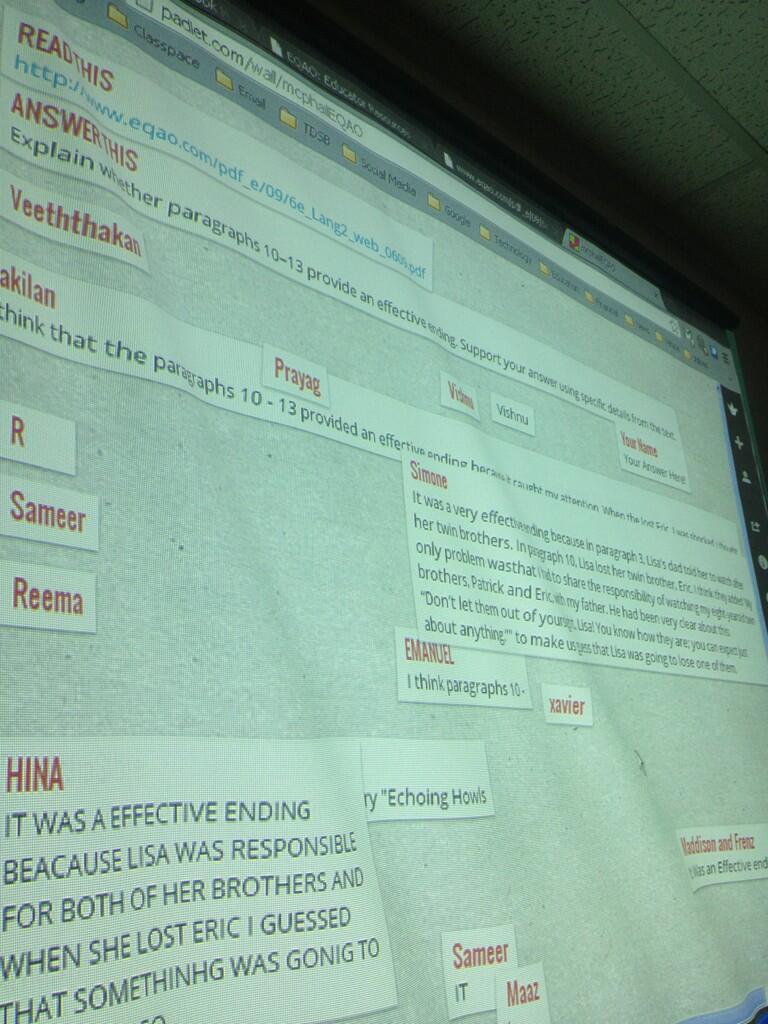
“Padlet” (formally known as WallWisher) takes the conventions of the chart paper and extends them to the possibilities of the iPad. Using the iPad, or any other Internet-enabled device, one can punch in a predefined URL to enter an idea sharing space. WIth Padlet, students and teachers can add simple text to a “wall-like” interface (that can be customized with alternate backgrounds and names) or can choose to upload files, include valuable links and even share real-time videos.
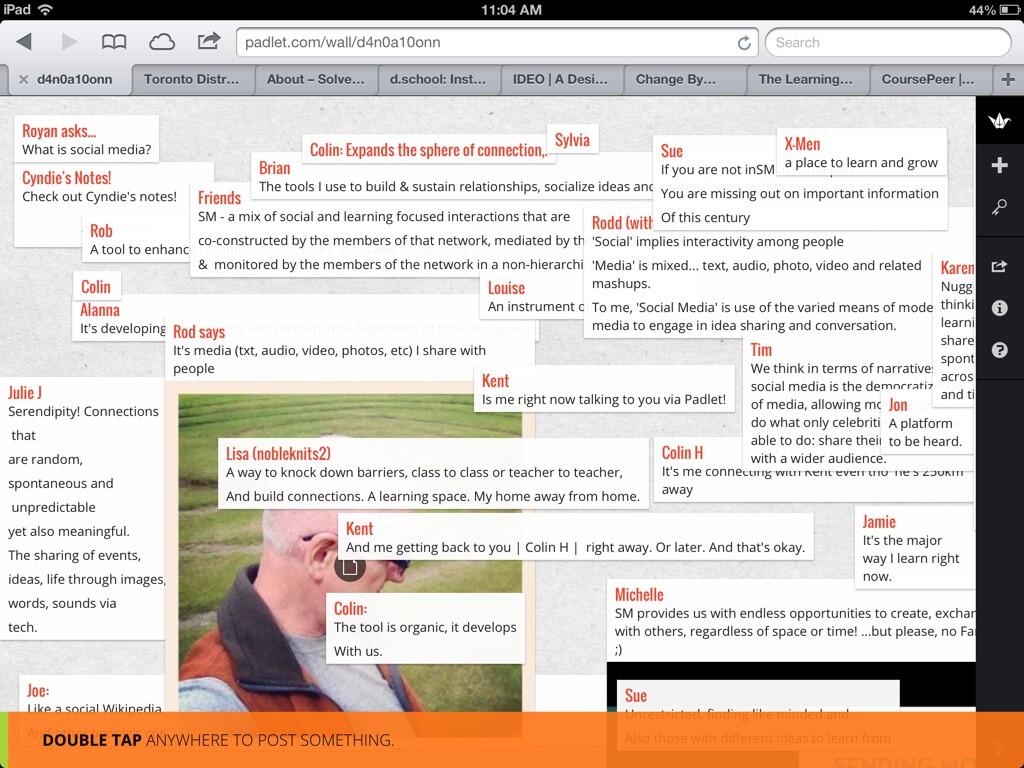
Using the iPad with Padlet it a joy as you can literally tap an idea anyway and manipulate where it lands on the page. Cycling through others’ thoughts is a breeze through its simple arrow feature, making sharing as quick as a flick!
Science Apps
There are also many specific science apps which were beneficial to the students learning and engagement. “Molecules” showed 3D rendering of any molecule. “Cell Imaging HD” showed 3D cells which could be navigated and explored. “Lewis Dots” allowed students to practice Lewis dot diagrams. “Science 360” and “Science House” both offered a large database of science videos. “Nova Elements” contains a beautifully laid out app of the periodic table elements. “Star Map 3D” makes teaching space incredibly engaging with their constellation and star maps.
Conclusion
The iPad is a powerful multi-functional tool used in our classrooms. The ability to consume curricular content is great but heavily dependent on the apps available. While the creation of content is far more engaging and easily done from the iPad. The all in one device can record data, photos, sounds, videos and publish them instantly via social media, cloud storage and websites. Being able to introduce assessment for, as and of learning is critical for successful classroom technology integration and was easily achieved with the iPads and the various sites/programs. Having multiple class iPads to a class set would be beneficial but also a bit more of a challenge to manage the images and accounts associated. Apple Configurator allows for mass imaging and backing up of large sets of iPads. The ability to connect classrooms is something we both would like to further explore this coming school year. Contact us via our blogs if you would like to connect and #MakeItHappen.
Joseph Romano – http://classpace.ca/
Brandon Zoras – https://mrzoras.wordpress.com/
Ways of Knowing – Digital Storytelling Lesson Plan #HipHopEd #IndigenousKnowledge
I had the great opportunity to work with Kurt Macintosh of OISE and formally TDSB on a great project using indigenous knowledge. My students had a great time with the project and attached is the lesson plan below.
Lesson Plan: Ways of Knowing Project
Summary
Stories have been passed on from generation to generation through various media. Vocal stories must be passed on while other forms are archived within books, artwork or carved in stone. 21st century learners have been equipped with the technology to archive stories through a digital format as well as share through social media. This project enables students to summarize the science knowledge they have discovered through the course and mobilize it in a digital form. Students were encouraged to incorporate their own knowledge, culture and ideas in the story and format. They were also told to choose an audience that would benefit from the science knowledge presented.

Some students chose to present to Hip Hop culture with whiteboard videos, others filmed in Tamil to address new immigrants regarding medical imaging and what they will expect here in Canada. Some felt comics were the best way to present what they learned and keep it interesting for the audience members and others posted monologues to YouTube.
Example of Student Work
This also enabled us to enter the #ScienceGenius contest with Dr Chris Emdin, The Gza and PBS News Hour #HipHopEd
http://www.pbs.org/newshour/rundown/2013/03/-just-ask-wu-tang-clan-1.html
My Poster Session at Connect 2013 – Engaging Urban Boys in Science with Technology
For full presentation and recourses see this post:
https://mrzoras.wordpress.com/2013/05/02/connect-2013-engaging-boys-in-science-with-technology/
thanks Cal Armstrong for filming!
Start Physics with Virtual DJ #STEM #ScienceGenius #HipHopEd
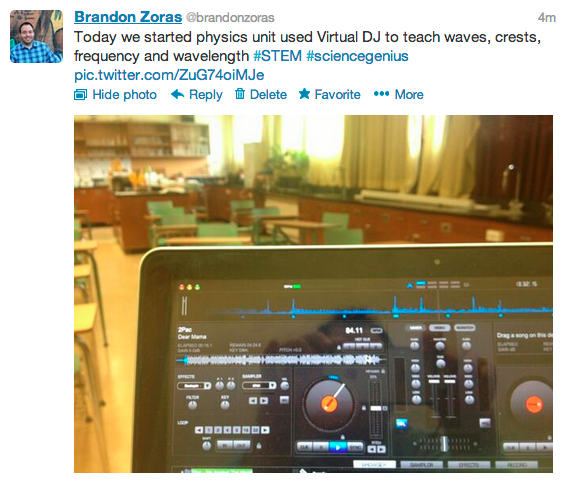
Today we started the optics unit in Grade 10 Science and what better way to introduce the electromagnetic spectrum than to show Virtual DJ to explain terms like crests, troughs, wavelength, frequency, etc. Students got to change frequency and match wavelengths in order to mix a song to sound good! No one likes when beats clash and now they know why based on physics!
Love my job!
African Diaspora Youth Conference #Windsor #Detroit #AfricanDiaspora
This weekend another teacher and I took a group of 10 students to the 10th annual African Youth Diaspora Conference. This year the students got to experience the University of Windsor, the Charles Wright Museum and the University of Michigan. The theme was “KUJICHAGULIA – Self-determination“and was evident in all activities over the weekend. The students have come back as changed young people. The friends, experiences and emotions the students explored this weekend were complex and character building.


The 4 hour bus ride from Toronto to Windsor was greeted by energetic University of Windsor students and Dr Andrew Allen with bags and t-shirts for the group. Students split into groups mixed between Toronto, Windsor and Detroit schools. At first complaints of not knowing anyone turned to inseparable new friendships. Students got to work in groups on arts based expressions and presented that evening in spoken word, poetry, dance, art and drama. Meals provided were excellent, full of choice and to the appreciation of the students allowed for seconds. A teacher in the TDSB, Dave Watkins, who has been with the conference from the start welcomed the students. He spoke about the struggles as a person of African Diaspora himself, faced and challenges of the media in defining black youth. He encouraged students by saying “Only be defined by what you do and who you want to be. You will tell people who you are, and tell people how you want to be treated. “. He also spoke about the importance of having allies and friends of all backgrounds as people from your own group may not always have your best interests in mind.
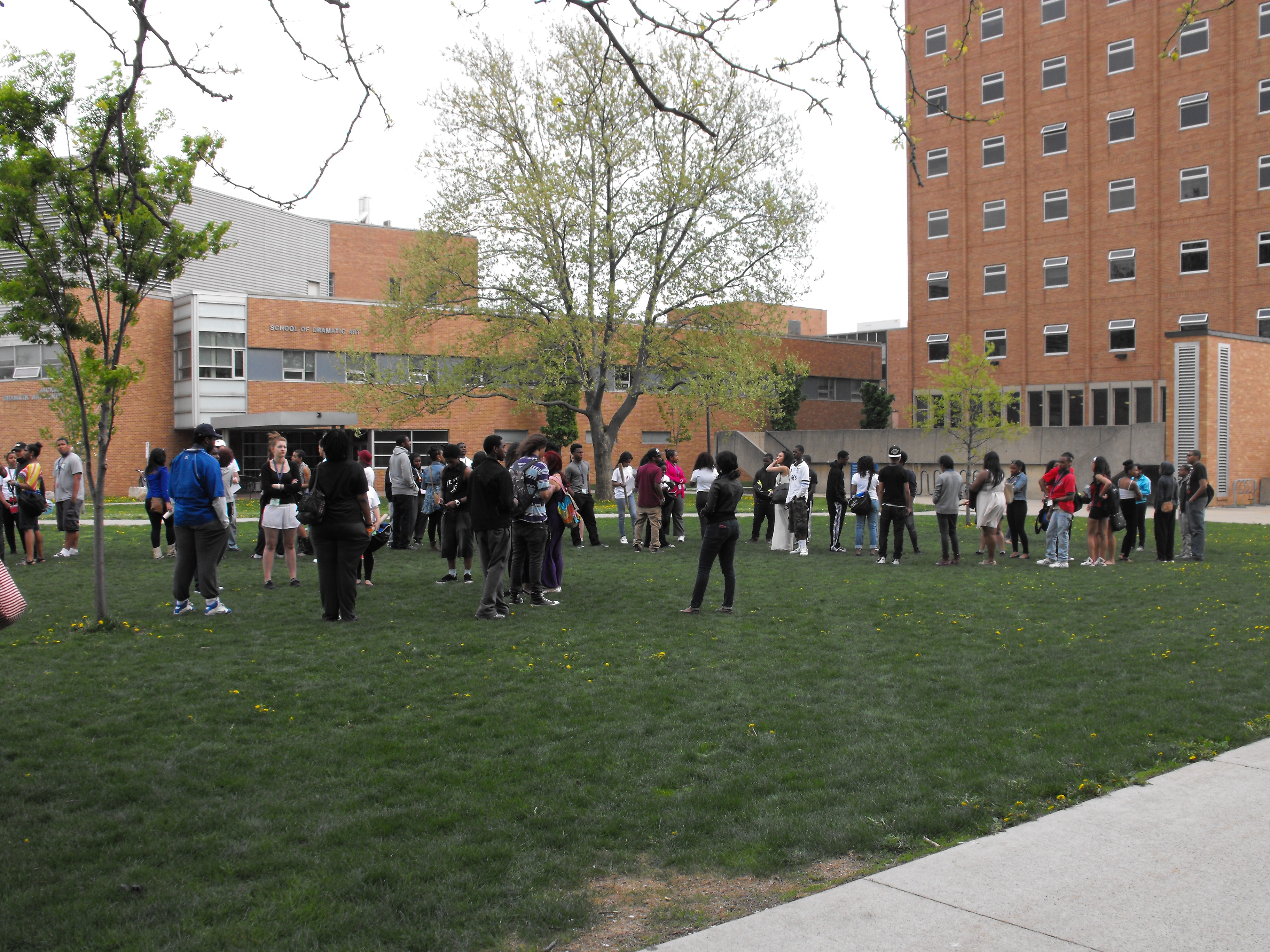

” The people who will help you get to where you want to be will not always be from your community “. John Solarski who is the main organizer this year also welcomed the students and provided a history and need for the conference.
That evening I took my group along the Windsor water front and campus for an evening walk. Getting them to sleep in the dorms was challenging as they bonded so quickly with new friends. The boys on my floor were playing games, listening to music and playing PS3 together.


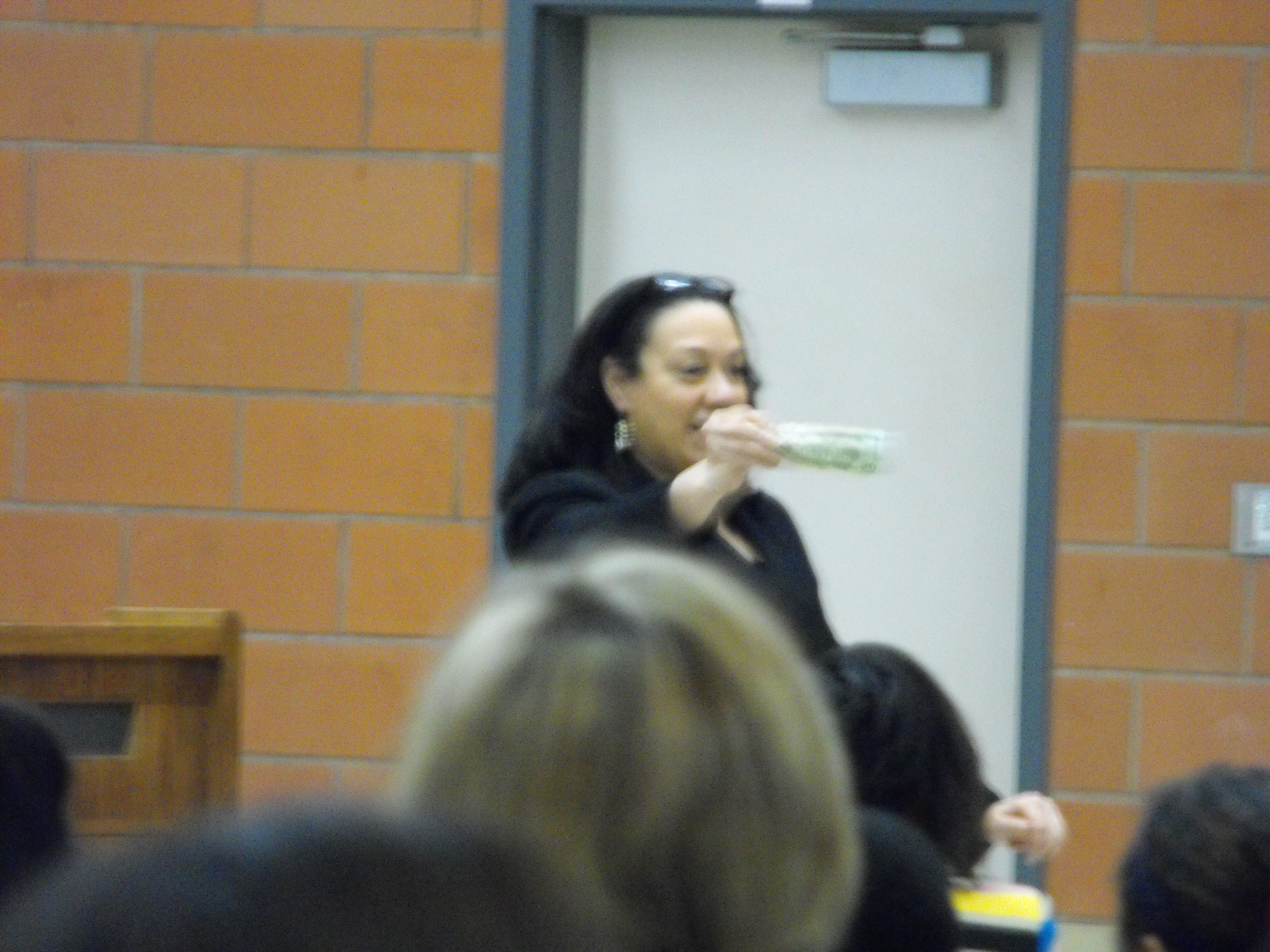
With an early wake up and breakfast buffet the dean of University of Windsor addressed us and the importance of post secondary education. His message was based around technology and the unlimited connections and opportunity youth have. He said “Do not get lost in the flock unless you know where the flock is going”. We moved to the other keynote where Gail Perry Maison discussed finances with students. She took out a fresh 20 dollar bill and asked who wanted it, everyone said yes, then she rolled it into a ball and asked the same, everyone still said yes, she then put it on the dirty ground and stomped on it. Again, everyone still wanted it. She asked why? One student yelled it still has value. She said this needs to be applied to humans, people who have been stomped down and at the lowest point need to recognize their value and so do others. She talked to kids and asked why they “invest” in brands and provide them with a walking billboard? She encourage students to buy stocks and really invest in the products. She also said “You shouldn’t love money because it doesn’t love you back. You can always make money but its just a tool.”. She talked to students about money problems which are not caused by money but have roots somewhere else. She finished with telling students to make the most of themselves and do not waste an opportunity with attitude. Students then branched to sessions on a variety of topics. I attended one by the sergeant of Windsor Police. He talked about positive interactions with police and how to diffuse situations through role play.

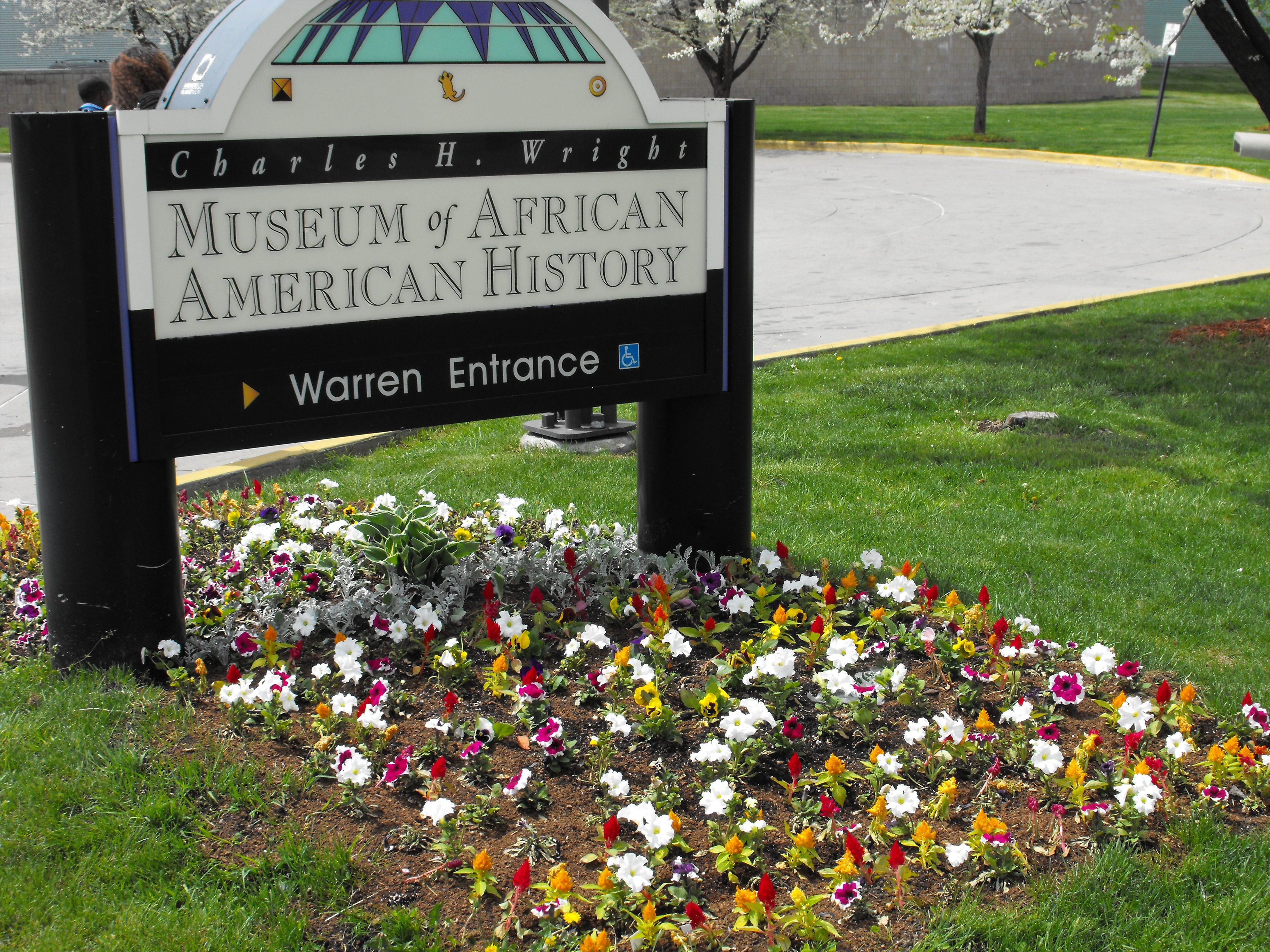
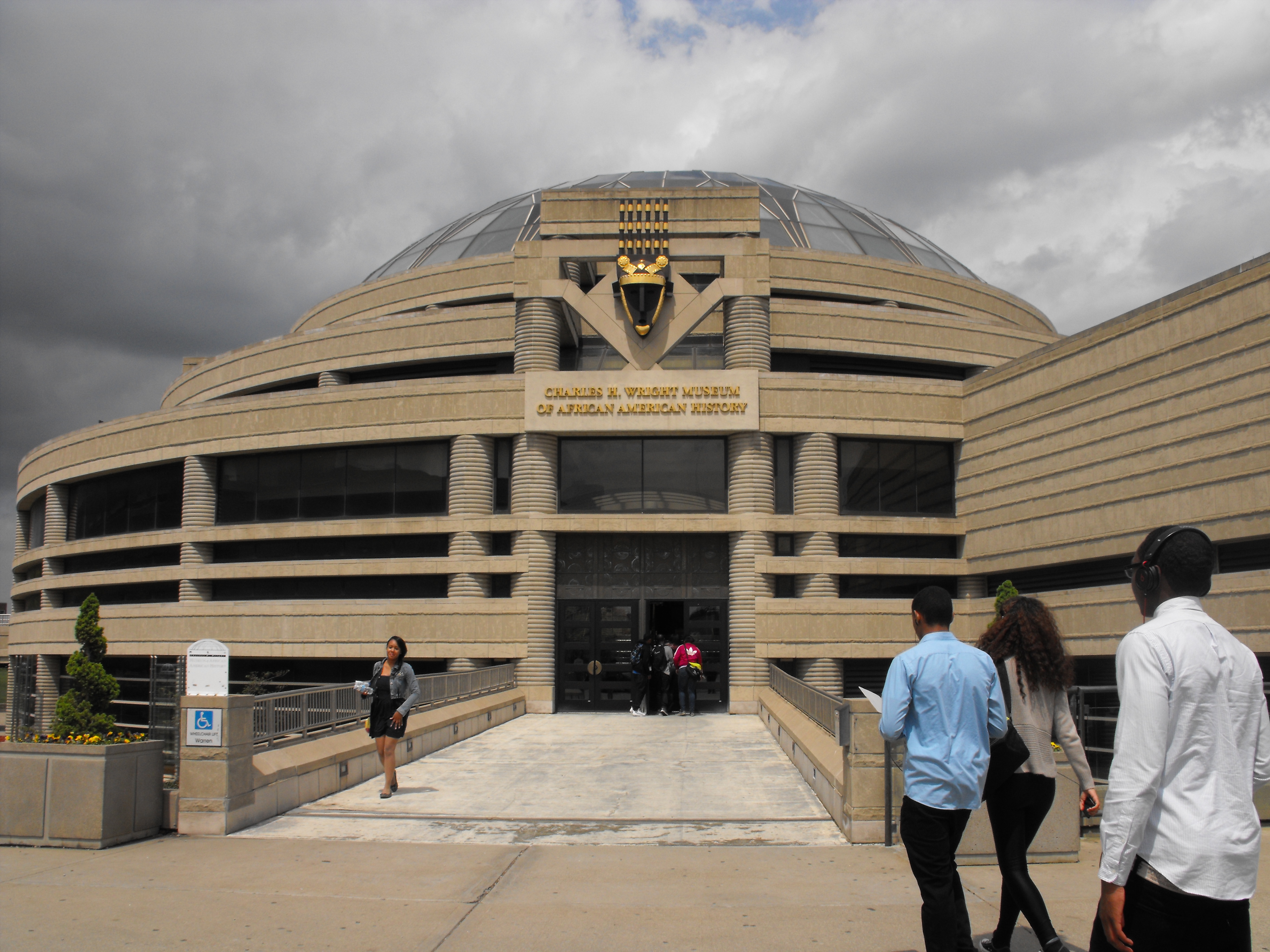
We crossed the border to the Charles H. Wright Museum of African-American History in Detroit. This experience was both amazing and horrifying. We had a guided tour through a huge installation through over 20 rooms. The path was the path an African slave would have taken to get to America and then modern day African-Americans. With movies, sculptures, animations and realistic humans. The history and culture of Africa was celebrated showcasing achievement and culture. The introduction of trade with foreign countries showed bartering with precious items and then resulted in trading of African men, women and children. The guide reenacted a mother having her son taken for slavery. We walked into the cells where slaves were held shackled so tight cuts were seen on their ankles. The kids were not prepared for going into the belly of the ship. With a life size ship lined with bodies of slaves chained within inches of each other to the floor and shelving compartments. The guide described the conditions of excrement and rape of the women as well as forced exercise on deck. Students were in tears and I was overwhelmed with sadness that human beings did this to a whole continent of people. Walking to the next room was the ship landing and slaves being sold and branded like cattle. The rest was the journey to freedom with hardships of segregation, lynching and discrimination. The last few rooms showed the rise of power back within African Americans right up to Obama. I was left speechless and forever changed and the students grateful for the enormous sacrifices that has brought them here. The guide challenged students and said this was the start of greatness and they have to continue the legacy of African diaspora.


Returning back to Windsor to a heavy hearted dinner students discussed and debriefed what happened. Many said they heard of slaves and the stories but none have experienced the pain like the did today. Seeing the bodies shackled, the sound of human flesh sizzling when branded and the cries of a mother losing her child became real. The students felt almost guilty because they felt unworthy of the freedom that came at such a great cost to African Diaspora and allies who helped abolish slavery. Students said they are fed by the media how a black person should be based on music, TV and movies which is usually controlled by white males. Many felt anger that many in their own race bring them down and perpetuate the stereotypes. They said they will make better decisions and take and define their own image and not let others define them.
We finished by skits, and a performance by a competition level dance club. Each and every student received a certificate of appreciation which was presented over the support and cheers of the Toronto, Windsor ad Detroit schools. Students came up to me saying they can’t just got back to school, they said when they go back people do not support each other like they did at the conference. They felt they could build, collaborate and be themselves instead of holding up a tough image at school. Many also promised to stop shadism as they were sick of dividing African diaspora further. They will stop calling people whitewashed as success isn’t determined by whiteness. They also said they will listen critically to hip hop and limit certain hip hop that promotes racism, drug abuse, hyper masculinity, and degradation of women.


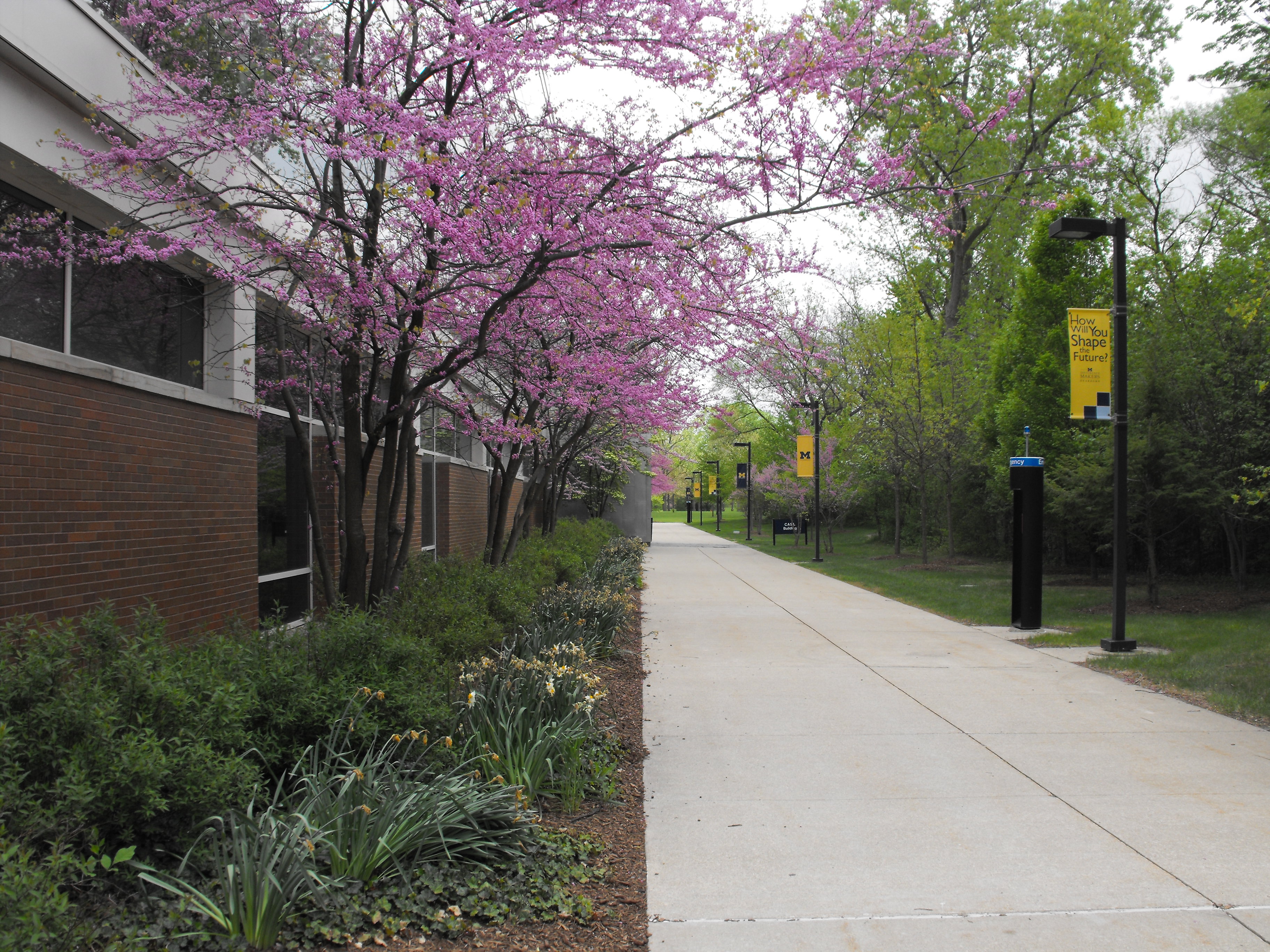

The next day we boarded buses and headed across to University of Michigan. Our students were shocked driving through Detroit with whole blocks of abandoned businesses, liquor stores and “gentlemen” establishments. The students saw graffiti filled streets and burned down houses. The university was tucked away on the Henry Ford Estates (Ford automotive company). The students got a tour of the beautiful campus and was welcomed by more high school students from Michigan area. It was great collaborating and giving students another campus experience. They attended sessions from prominent African American business owners, professors, and writers. We boarded buses, saying goodbye to our new Detroit, Windsor and Toronto friends.
This was one of the most life changing and worthwhile field trips. What does this mean for education system? I feel that this conference was empowering and provided a different learning experience. I think we could do a better job presenting history from around the world, acknowledging and celebrating successes of diverse people. The students learned so well during the arts activity that we should incorporate more differentiated instruction strategies. As well just show the students you care. I think the relationship just over this trips with students from my own school will last forever and lead to a whole new level of respect.
This wouldn’t have happened without the great team John, Dave, TDSB teachers, Dr Andrew Allen, University of Windsor staff and students, and most importantly the students from Toronto, Windsor and Detroit.
 brandonzoras.ca